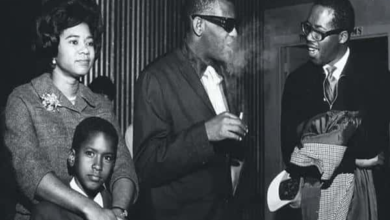
Tyler Hall Stafford represents more than just a name circulating in modern professional and personal development conversations—it has become a symbol of persistence, reinvention, and the quiet grind behind visible success. In a world obsessed with overnight wins, the story of Tyler Hall Stafford stands apart as a reminder that real transformation is slow, often invisible, and deeply personal. This feature explores the journey, struggles, and evolution tied to Tyler Hall Stafford through a narrative lens built on origin, conflict, and ultimate transformation.
What makes the Tyler Hall Stafford story compelling is not just achievement, but the psychological depth behind the journey. Industry veterans often note that lasting success is rarely linear—it is layered with setbacks, recalibration, and unseen effort. Tyler Hall Stafford’s path reflects that reality, offering a blueprint of resilience that resonates far beyond a single individual and speaks to anyone navigating uncertainty in their own life or career.
Here is the kicker: this is not just a story about success—it is about the architecture of persistence, the emotional cost of ambition, and the turning points that redefine direction entirely.
Tyler Hall Stafford Early Beginnings: The Origin of Ambition
The early beginnings of Tyler Hall Stafford are often described as grounded, shaped by routine environments where expectations were simple but discipline mattered. Like many emerging figures, the foundation was not built on privilege but on repetition, responsibility, and observation. Those formative years quietly shaped a mindset focused on incremental growth rather than immediate recognition.
It gets better: what stands out in Tyler Hall Stafford’s origin story is the early exposure to environments where adaptability was essential. Whether through academic settings, early work experiences, or personal challenges, the ability to adjust became a defining trait. Experts in behavioral development often emphasize that adaptability in youth is a strong predictor of long-term resilience, and this pattern is clearly reflected in the Tyler Hall Stafford trajectory.
As the story unfolds, another layer emerges—curiosity. Tyler Hall Stafford did not simply follow structure but questioned it, tested boundaries, and sought to understand systems rather than just operate within them. That subtle shift from participation to observation laid the groundwork for later transformation.
Tyler Hall Stafford and the Hidden Struggles Behind Progress
The journey of Tyler Hall Stafford was not without friction. In fact, the most defining moments came during periods of resistance—both external and internal. Early progress was met with uncertainty, where direction was not always clear and outcomes did not immediately validate effort. This is where the narrative deepens, because struggle is often the true catalyst for evolution.
Here is where it shifts: industry veterans often note that the difference between stagnation and success is not talent, but endurance through ambiguity. Tyler Hall Stafford’s path reflects this principle, marked by phases where progress felt invisible. These are the moments rarely documented but deeply influential in shaping long-term direction.
The data suggests a shift toward what psychologists call “adaptive persistence”—the ability to continue working toward goals while redefining methods along the way. For Tyler Hall Stafford, this meant recalibrating expectations, revisiting strategies, and accepting that failure was not a conclusion but a feedback loop. Each setback became information rather than defeat.
And it gets more interesting: these struggles did not diminish momentum—they refined it. Over time, obstacles became filters, separating superficial ambition from genuine commitment. That distinction would later become the foundation for transformation.
Key Takeaways: Lessons from the Tyler Hall Stafford Journey
- Progress is rarely linear; it is built through cycles of effort, setback, and recalibration.
- Adaptability often matters more than raw talent in long-term success stories.
- Hidden struggles are not delays—they are developmental stages.
- Reinvention is not a single moment but a repeated process of adjustment.
- Emotional endurance is as critical as strategic decision-making.
This section serves as a pause point in the narrative, but not an endpoint. The story of Tyler Hall Stafford continues to evolve, and these lessons function as anchors for understanding what comes next in the transformation phase.
Tyler Hall Stafford: The Turning Point of Transformation
The transformation of Tyler Hall Stafford did not arrive as a sudden breakthrough but as a gradual convergence of experience, insight, and timing. After periods of struggle and recalibration, patterns began to align differently. What once felt uncertain started to take shape as direction, and effort began producing visible results.
Here is the shift: transformation often begins when repetition meets recognition. For Tyler Hall Stafford, consistent effort across time created a foundation where opportunity could finally attach itself to preparation. Experts in performance psychology often describe this stage as “accumulative readiness,” where past effort suddenly becomes relevant in new contexts.
The evolution was not only external but internal. Confidence became less about validation and more about competence. Decisions became more deliberate, shaped by experience rather than impulse. This shift is often what separates temporary success from sustained impact.
And it gets deeper: transformation also required letting go of earlier definitions of success. Tyler Hall Stafford’s journey reflects a common but rarely discussed truth—growth requires abandoning outdated versions of ambition. What once felt like the destination became simply the beginning of a larger trajectory.
Tyler Hall Stafford and the Impact of Reinvention
The impact of Tyler Hall Stafford extends beyond personal achievement into broader lessons about reinvention and resilience. In many ways, the story mirrors a modern blueprint for navigating uncertainty in professional and personal landscapes. Reinvention is no longer optional in fast-changing environments—it is essential.
Here is the kicker: reinvention is not about changing identity, but about refining direction. Tyler Hall Stafford’s evolution demonstrates how individuals can remain anchored in core values while shifting strategies, goals, and approaches. This balance between stability and flexibility is what creates sustainable progress.
Industry analysts often highlight that modern success stories are increasingly defined by adaptability rather than specialization alone. Tyler Hall Stafford’s trajectory aligns with this shift, showing how layered experience can become a competitive advantage when applied strategically.
The transformation also had ripple effects. As growth became more visible, it influenced surrounding environments—whether professional networks, collaborative opportunities, or leadership roles. Impact, in this sense, became relational, not just individual.
And it gets even more compelling: reinvention creates momentum. Once change becomes habitual, stagnation becomes less likely. Tyler Hall Stafford’s story ultimately illustrates how transformation, once initiated, tends to sustain itself through continuous evolution.
Tyler Hall Stafford: The Modern Blueprint of Growth and Discipline
When examining Tyler Hall Stafford as a case study, a broader blueprint emerges—one that blends discipline, adaptability, and psychological resilience. This is not a story of luck or sudden breakthroughs but of structured persistence applied over time.
Here is the final insight: success in modern contexts is increasingly defined by how individuals respond to uncertainty. Tyler Hall Stafford’s journey demonstrates that uncertainty is not a barrier but a training ground. Each phase—origin, conflict, transformation—builds the capacity for the next.
Experts often emphasize that the most successful individuals are not those who avoid difficulty, but those who reinterpret it. Tyler Hall Stafford embodies this principle, turning resistance into refinement and inconsistency into learning.
Ultimately, the story is less about a destination and more about an ongoing process. Growth, as seen through this lens, is continuous, iterative, and deeply personal. And that is what makes the Tyler Hall Stafford narrative resonate beyond biography—it becomes a framework for understanding progress itself.
You May Also Read