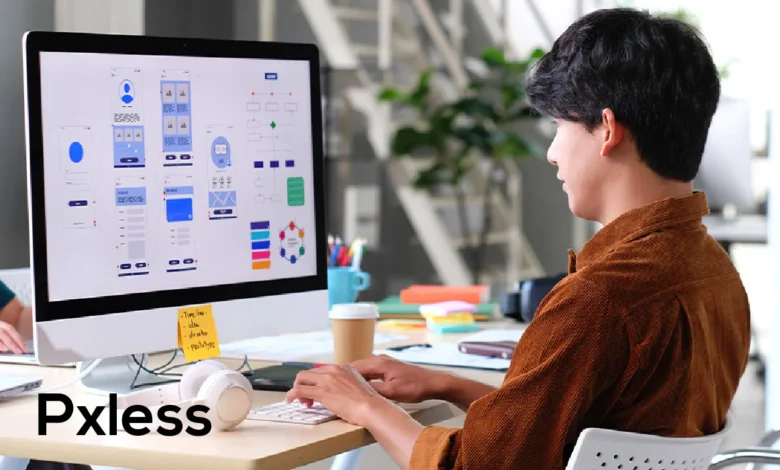
Pxless is a modern digital concept that many people are starting to notice online. At the beginning, pless may sound confusing. However, once you understand it, pless becomes very easy to grasp. In simple words, pxless focuses on creating and managing digital visuals without fixed pixel limits.
Because technology is changing fast, pxess is becoming more important every day. Many designers, developers, and content creators now prefer flexible systems. As a result, pxess helps them work better across different screen sizes.
Most importantly, pxess improves user experience. Instead of worrying about exact pixel sizes, creators can focus on quality and creativity. Therefore, pxess is slowly shaping the future of digital design.
What Is Pxless?
Pxless refers to a pixel-free or pixel-flexible approach used in modern digital design. Traditionally, designers worked with fixed pixel values. However, pxess removes that limitation.
In simple terms, pxess allows content to adapt naturally. For example, text, images, and layouts adjust smoothly on different devices. Because of this, pxess makes websites more responsive and user-friendly.
Additionally, pxess helps beginners feel less stressed. Instead of learning complex measurements, creators can design freely. As a result, pxess saves time and reduces errors.
Why Pxless Is Important Today
Pxess is important because people use many devices. Phones, tablets, laptops, and TVs all have different screen sizes. Therefore, fixed pixel designs often fail.
Because pxess designs scale automatically, users enjoy a better experience. Pages look clean and readable everywhere. As a result, bounce rates decrease and engagement increases.
Moreover, search engines favor responsive designs. Since pless supports responsiveness, it indirectly helps with SEO. Therefore, pxess is not only useful but also smart.
How Pxless Works
Pxless works by using relative units instead of fixed pixels. For example, percentages, em units, and flexible containers are used. Because of this, layouts adapt smoothly.
Instead of setting an image to 300px, pxess lets it adjust based on screen size. As a result, visuals remain balanced. Therefore, users do not need to zoom or scroll unnecessarily.
Most importantly, pxess relies on modern web standards. Because browsers support flexible layouts, pxess works efficiently without extra tools.
Key Features of Pxless
Pxless offers many helpful features for digital creators. First of all, it improves responsiveness. Designs automatically fit all screen sizes.
Secondly, pxess improves readability. Text adjusts naturally, which makes content easier to read. As a result, users stay longer on pages.
Finally, pxess reduces maintenance work. Since layouts adapt automatically, fewer updates are needed. Therefore, pxess saves effort and time.
Benefits of Using Pxless
Pxless offers many benefits for beginners and professionals. First, it simplifies design decisions. Creators do not need to worry about exact measurements.
Secondly, pxless improves accessibility. Users with different devices or visual needs can access content easily. As a result, inclusivity increases.
Most importantly, pxess future-proofs designs. As new devices appear, pxess layouts continue to work. Therefore, pxess is a long-term solution.
Pxless vs Traditional Pixel-Based Design
Pxlss is very different from traditional pixel-based design. Fixed pixels work well only on specific screens. However, pxess works everywhere.
While pixel-based designs break on small screens, pxess adapts smoothly. As a result, users get a consistent experience.
Additionally, pxess reduces frustration for creators. Instead of constant resizing, designs remain flexible. Therefore, pxess is more efficient.
Who Should Use Pxless?
Pxess is useful for many people. Bloggers benefit because their content looks good on all devices. Similarly, businesses enjoy better user engagement.
Students and beginners also benefit from pxess. Because it is easy to learn, they can start quickly. As a result, confidence grows.
Even experienced developers prefer pxess. Since it saves time, productivity increases. Therefore, pxess suits everyone.
Common Use Cases of Pxless
Pxlss is commonly used in website design. Responsive blogs, portfolios, and landing pages rely on pxess principles.
Additionally, pxess works well for mobile apps. Because screens vary greatly, flexible layouts are essential.
E-commerce platforms also benefit from pxlss. Products display properly on all devices. As a result, sales often increase.
Challenges of Pxless
Pxlss is helpful, but it has some challenges. Beginners may feel confused at first. However, practice solves this issue.
Sometimes, extreme flexibility causes unexpected layouts. Because of this, testing is important.
Still, these challenges are minor. With proper planning, pxlss works smoothly. Therefore, benefits outweigh drawbacks.
How to Start Using Pxless
Pxless can be started easily. First, learn basic responsive design concepts. This step builds a strong foundation.
Next, practice using flexible units. Over time, it becomes natural. As a result, confidence increases.
Finally, test designs on different devices. Because testing ensures quality, pxlss designs perform better.
Future of Pxless
Pxless has a bright future. As technology grows, flexible design becomes essential. Therefore, pxlss adoption will increase.
New devices with unique screens will appear. Because of this, pxess will remain relevant.
Most importantly, users demand better experiences. Since pless delivers this, it will continue to grow.
Conclusion
Pxless is a powerful and beginner-friendly approach to modern design. It removes pixel limitations and promotes flexibility.
Because pxess improves usability, it benefits both creators and users. As a result, digital content becomes more enjoyable.
In conclusion, pxess is not just a trend. Instead, pxlss is a smart and future-ready way to build digital experiences.