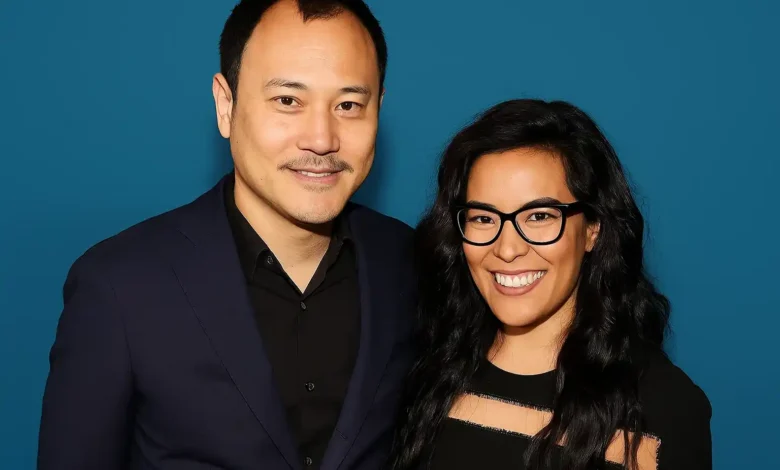
Nikki Hakuta: The Story of a Modern Creative, Family Legacy, and Entrepreneurial Vision
In an era where public narratives are often simplified into soundbites, the story of Nikki Hakuta stands out for its rich depth and quiet authenticity. She is a figure who exists at a fascinating intersection: a private individual with a notably public family lineage, a creative professional carving her own distinct path, and an advocate for meaningful, design-driven social impact. While many may recognize her surname, understanding Nikki Hakuta requires looking beyond the headlines to the substance of her own work and personal philosophy. Her journey is not one of leveraging fame but of thoughtfully integrating a powerful heritage into a unique personal and professional identity. This exploration delves into the life of Nikki Hakuta, examining the multifaceted layers that define her as a modern creative force, a dedicated advocate, and a testament to building an authentic life on one’s own terms. We will uncover the influences that have shaped her, from her renowned family to her academic pursuits and entrepreneurial ventures, painting a comprehensive portrait of a woman who defines success through creativity, connection, and purposeful action.
The Hakuta Family Heritage and Early Influences
The narrative of Nikki Hakuta is inextricably linked to a family history marked by intellectual brilliance and cultural significance. She is the daughter of the celebrated comedian, actor, and author Ken Hakuta, best known as “Dr. Fad” from his 1990s television show centered on quirky inventions, and the granddaughter of the renowned Japanese-American inventor Dr. Yoshiro Nakamatsu, or “Dr. NakaMats,” who holds thousands of patents, including one for the floppy disk. This environment, steeped in creativity, invention, and a touch of delightful eccentricity, provided a unique backdrop for Nikki’s formative years. The household was less about celebrity and more about a mindset—one that questioned norms, celebrated curiosity, and viewed the world as a series of problems waiting for creative solutions.
Growing up in such an atmosphere undoubtedly shaped Nikki Hakuta’s worldview in profound ways. From her father, she witnessed the power of communication and storytelling to captivate and educate a mass audience. From her grandfather’s legacy, she absorbed the principles of relentless innovation and cross-disciplinary thinking. This heritage wasn’t a pressure to conform to a specific career path but rather a permission slip to explore, create, and think differently. It established a foundation where artistic expression and analytical problem-solving were not opposites but complementary forces. For Nikki Hakuta, this early exposure meant that a career at the intersection of creativity and strategy was not just an option but a natural extension of her upbringing.
Academic Pursuits and the Foundation of Expertise
Nikki Hakuta’s educational journey was a deliberate and thoughtful process of building a robust intellectual toolkit. She attended the prestigious Sidwell Friends School in Washington, D.C., an institution known for its academic rigor and emphasis on community service and ethical leadership. This environment nurtured not just scholarly excellence but a sense of social responsibility, aligning with the values she observed at home. Her undergraduate studies led her to Stanford University, where she earned a degree in International Relations. This choice reflects a broadening of perspective, moving from the microcosm of inventive family life to the macrocosm of global systems, politics, and cross-cultural dynamics.
Her academic path did not stop there. Nikki Hakuta further honed her expertise by obtaining a Master’s degree in Business Administration from Harvard Business School. This step was pivotal, transforming her broad, creative, and international outlook into a framework for actionable strategy and organizational leadership. The MBA equipped her with the language of business, the principles of marketing, and the operational savvy necessary to translate ideas into sustainable ventures. This combination—a liberal arts grounding in global affairs from Stanford and the strategic rigor of Harvard Business School—created a unique intellectual profile. It positioned Nikki not merely as a creative or a businessperson, but as a strategic thinker capable of navigating complex challenges where culture, design, and commerce intersect.
Professional Trajectory and Creative Entrepreneurship
The professional arc of Nikki Hakuta is characterized by a deliberate application of her multifaceted education toward ventures that blend commerce with conscious creativity. She has strategically positioned herself within the realms of brand strategy and creative direction, where her ability to synthesize narrative, aesthetics, and market dynamics comes to the fore. Her work often involves helping brands, particularly those with a social or cultural mission, articulate their core story and connect authentically with their audience. This is not generic marketing; it is the craft of building authentic identity and resonance in a crowded marketplace, a skill that undoubtedly draws from her own experience navigating a public identity.
A key venture that encapsulates her entrepreneurial spirit is her involvement with the brand Goodfellow. Launched in collaboration with Target, Goodfellow is a men’s apparel line focused on quality, fit, and accessible price points. Nikki Hakuta’s role went beyond traditional consultancy; she was integral to shaping the brand’s identity and aesthetic from its inception. This project demonstrates her ability to scale creative vision, moving from concept to a product line available in a major national retailer. It showcases a practical, execution-oriented side of her creativity, proving that her skills translate into tangible, commercial success. This work underscores a central theme in her career: making good design and thoughtful branding accessible and impactful on a mainstream level.
Advocacy and Social Impact Initiatives
Beyond the boardroom and the design studio, Nikki Hakuta has consistently channeled her influence and skills toward advocacy and social impact. Her focus often centers on issues related to Asian American and Pacific Islander (AAPI) representation, mental health awareness, and educational access. This advocacy is not performative but is woven into the fabric of her professional and personal engagements. She understands the platform she has, both through her family name and her own accomplishments, and uses it to amplify voices and causes that align with her values. For Nikki Hakuta, success is clearly measured not only in commercial terms but in positive community impact.
Her approach to advocacy is strategic and design-informed. It’s about crafting compelling narratives that can shift perceptions and driving initiatives that have structural longevity. Whether through public speaking, supporting non-profit organizations, or leveraging her business networks for social good, she applies the same principled rigor to philanthropy as she does to her commercial projects. This dual focus reflects a holistic view of modern entrepreneurship, where building a brand and building a better community are seen as interconnected pursuits. It reinforces the idea that for Nikki Hakuta, her work is an extension of her worldview—one that demands creativity be paired with conscience.
Navigating Public Identity and Personal Privacy
Carrying a well-known surname like Hakuta inherently brings a level of public attention, a reality that Nikki Hakuta has navigated with notable grace and intentionality. She is part of a family that includes her half-brother, the acclaimed author and journalist Ali Wong, whose meteoric rise in comedy has further spotlighted the family. This creates a unique dynamic: being adjacent to fame while cultivating a distinct, more reserved public persona of her own. Nikki Hakuta has managed this not by shunning the spotlight entirely, but by carefully controlling the narrative around her own life and work. She shares glimpses of her professional endeavors and advocacy, while steadfastly protecting the privacy of her inner circle and personal moments.
Eileen Patterson: The Strategic Mind Redefining Leadership, Innovation, and Legacy
This careful curation is a masterclass in modern personal branding. It demonstrates an understanding that in the digital age, one can engage publicly without sacrificing all privacy. By focusing public communication on her work—her projects with Goodfellow, her advocacy stances, her professional insights—she defines herself by her output and values, not just by her relationships. This strategy has allowed Nikki Hakuta to build her own authoritative identity as a creative strategist and advocate, ensuring that her surname is an entry point to her story, not the entirety of it. It’s a balancing act that requires confidence and clarity, qualities she evidently possesses in abundance.
The Synergy of Creativity and Business Strategy
At the core of Nikki Hakuta’s professional identity is a powerful synergy between unbridled creativity and disciplined business strategy. This is not a case of a “right-brain” creative dabbling in business, nor a “left-brain” strategist paying lip service to design. Instead, it is a fully integrated approach where each discipline informs and elevates the other. Her creative process is grounded in market understanding and user needs, while her business strategies are infused with narrative depth and aesthetic consideration. This hybrid mindset is increasingly the gold standard in today’s innovation economy, and Nikki Hakuta exemplifies it.
This synergy is most visible in her work with consumer brands. She approaches a product line not just as a collection of items to be sold, but as a story to be told, an experience to be crafted, and a community to be built. The success of Goodfellow is a testament to this; it’s a brand with a clear point of view, a consistent aesthetic, and a strategic market position—all hallmarks of her integrated methodology. For Nikki Hakuta, the most effective solutions emerge when creative vision is not constrained by strategy, but rather, is given viable structure and direction by it. This philosophy positions her as a valuable asset in any venture seeking to connect authentically and effectively with a modern audience.
The Influence of Cross-Cultural Perspective
Nikki Hakuta’s Japanese-American heritage is a subtle yet significant undercurrent in her life and work. Being the granddaughter of Dr. NakaMats connects her directly to a legacy of Japanese innovation, while her upbringing in the United States immersed her in American culture and entrepreneurial spirit. This bicultural lens provides a distinct advantage: the ability to synthesize ideas from different traditions, to spot patterns across cultural boundaries, and to approach problems with a flexible, hybrid mentality. It likely fosters an appreciation for minimalist, functional design (influenced by Japanese aesthetics) as well as the bold, narrative-driven approach of American branding.
This cross-cultural perspective enriches her advocacy work as well. Her support for AAPI causes comes from a place of lived experience and deep understanding. She can navigate and articulate the complexities of Asian American identity—the nuances between different cultures, the challenges of representation, the balance of assimilation and preservation. For Nikki Hakuta, this background isn’t a niche attribute; it’s a foundational aspect of her cognitive toolkit. It allows her to operate as a cultural translator of sorts, whether she’s helping a brand enter a new market, designing a product for a diverse audience, or advocating for more inclusive narratives in the public sphere.
Building a Personal Brand with Purpose
In an age of relentless self-promotion, Nikki Hakuta’s approach to her personal brand is refreshingly purposeful and substantive. She has not built a brand on lifestyle aesthetics or curated perfection, but on professional competence, creative integrity, and social advocacy. Her digital and public presence serves as a portfolio of her capabilities and a megaphone for her causes. This creates a brand that is both attractive and respectable—it draws clients and collaborators who value depth and impact over superficial visibility. The brand of Nikki Hakuta is synonymous with thoughtful execution.
This purposeful branding is a strategic choice that yields long-term dividends. It attracts opportunities that align with her genuine interests and skills, creating a virtuous cycle of meaningful work. It also builds trust; audiences, whether they are potential business partners or followers of her advocacy, perceive her as authentic and reliable. Unlike personal brands built on trends or oversharing, the foundation Nikki Hakuta has built is durable. It can evolve as her career evolves, because it is rooted in core competencies and values rather than a transient persona. This demonstrates a sophisticated understanding of how to exist—and thrive—in the public eye without compromising one’s core self.
Future Trajectory and Lasting Impact
Looking forward, the trajectory of Nikki Hakuta points toward continued influence at the intersection of creative industry, commerce, and social change. It is easy to envision her launching her own independent venture capital fund focused on creative and socially conscious startups, or perhaps founding a design and strategy agency that becomes a sought-after partner for mission-driven brands. Her deep networks in business, entertainment, and advocacy, combined with her operational know-how, position her to scale her impact significantly. The work of Nikki Hakuta is likely to expand in scope, tackling larger systemic challenges through the lens of design and enterprise.
The lasting impact she is cultivating, however, may be more nuanced than any single venture. It lies in her demonstration of a new model of success—one that harmonizes a powerful legacy with self-made accomplishment, that values privacy amid public life, and that insists on marrying profit with principle. For young professionals, especially women and Asian Americans, Nikki Hakuta serves as a compelling role model not for fame, but for nuanced, integrated achievement. Her legacy will be measured in the brands she helps build, the causes she advances, and the quiet example she sets for living a creative, strategic, and purpose-driven life on one’s own terms.
Comparative Analysis: The Hakuta Family Legacy of Innovation
To fully appreciate the unique position Nikki Hakuta occupies, it is helpful to view her path in the context of her family’s multi-generational legacy. The table below breaks down the core domains of impact across three generations, highlighting both the continuity of themes and the distinct evolution of focus.
| Family Member | Primary Domain | Core Methodology | Public Persona | Defining Output |
|---|---|---|---|---|
| Dr. Yoshiro Nakamatsu (Grandfather) | Invention & Science | Systematic ideation, experimental research, rigorous patenting. | The Eccentric Genius. Public and theatrical, part of his brand. | Tangible Inventions (Floppy Disk, thousands of patents). |
| Ken Hakuta (Father) | Entertainment & Commerce | Mass media storytelling, marketing ingenuity, pop culture engagement. | The “Dr. Fad” Showman. Accessible, televised, consumer-facing. | Cultural Moments (TV show, fad products, popular books). |
| Nikki Hakuta | Strategic Creativity & Brand Advocacy | Design thinking, brand strategy, MBA-driven business frameworks, conscious capitalism. | The Private Strategist. Reserved, professional, focused on work and impact. | Brand Identity & Ecosystem (Goodfellow line, advocacy initiatives, strategic consulting). |
This table reveals a fascinating evolution. The legacy has moved from pure invention (creating the thing itself), to popularization (bringing inventions and ideas to the masses via TV), to strategic curation and meaning-making (shaping how brands and ideas are perceived and experienced in the modern marketplace). Nikki Hakuta has absorbed the inventive spirit of her grandfather and the communicative flair of her father, but channeled these forces through a contemporary, strategic, and socially-aware framework. Her work is less about the single patent or the hit TV show, and more about building sustainable, authentic value systems around products and ideas.
The Role of Authenticity in a Connected World
In a world saturated with curated content and manufactured personas, the authentic demeanor of Nikki Hakuta becomes a strategic asset in itself. Authenticity here is not about sharing every detail of one’s life, but about consistency between one’s internal values and external actions. Her advocacy is informed by genuine belief. Her business projects reflect her true design sensibility. Even her guarded privacy is an authentic expression of her value for personal boundaries. This consistency builds a formidable reputation for reliability and integrity, which in turn fosters deep trust with collaborators, clients, and her audience.
This authentic stance is particularly powerful because it is sustainable. It does not require the energy of maintaining a façade. As thought leader and author Brené Brown has famously researched, “Authenticity is the daily practice of letting go of who we think we’re supposed to be and embracing who we are.” While Nikki Hakuta maintains a private life, her public professional practice seems to embody this principle. She is not trying to be the next celebrity entrepreneur or a viral sensation; she is building a career and life that aligns with her unique blend of creativity, strategy, and advocacy. In doing so, she inadvertently creates a more compelling and respected profile than any meticulously crafted persona could achieve.
Conclusion
The story of Nikki Hakuta is a compelling narrative for our times—a story that complicates the easy labels of celebrity relative, entrepreneur, or advocate. She is a synthesis of all these roles and more, demonstrating that it is possible to honor a formidable legacy while authoring an entirely original script. Her journey from the intellectually fertile grounds of her childhood, through the halls of Stanford and Harvard, and into the realms of brand strategy and social advocacy, charts a course of intentionality and integrated thinking. Nikki Hakuta has mastered the art of leveraging her unique advantages—a famous name, a world-class education, a cross-cultural perspective—not as crutches, but as tools to build something substantive and uniquely her own.
Ultimately, her impact lies in this demonstration of nuanced success. She represents a generation of leaders for whom categories are fluid, purpose is non-negotiable, and authenticity is the ultimate currency. The work of Nikki Hakuta, from a Target clothing line to advocacy for AAPI communities, reminds us that influence can be exercised quietly, that creativity must be partnered with strategy to scale, and that the most powerful legacy one can build is one defined by one’s own choices, values, and contributions. Her continuing story is one to watch, not for tabloid headlines, but for insights into how to navigate the modern world with grace, purpose, and intelligent creativity.
Frequently Asked Questions (FAQ)
How is Nikki Hakuta related to Ali Wong?
Nikki Hakuta and Ali Wong are half-sisters. They share the same father, Ken Hakuta (Dr. Fad). This family connection has occasionally brought Nikki Hakuta into the public eye, though she has primarily built her own career independent of her sister’s fame in comedy and entertainment.
What does Nikki Hakuta do for a living?
Nikki Hakuta is a creative entrepreneur and brand strategist. She is best known for her integral role in developing and launching the Goodfellow men’s apparel line for Target. Her professional work focuses on blending creative direction with business strategy, often for brands and initiatives with a strong design or social impact component.
What is Nikki Hakuta’s educational background?
Nikki Hakuta possesses an impressive academic background. She attended Sidwell Friends School, earned an undergraduate degree in International Relations from Stanford University, and later obtained her MBA from Harvard Business School. This education forms the foundation of her strategic and global approach to business and creativity.
How has Nikki Hakuta’s family influenced her career?
The influence of Nikki Hakuta’s family is profound but not prescriptive. From her grandfather, Dr. NakaMats, she inherited a spirit of innovation. From her father, Ken Hakuta, she learned about mass communication and storytelling. This environment valued creativity and problem-solving, which she channeled into a more structured, strategic, and business-oriented career path of her own design.
Is Nikki Hakuta involved in any philanthropic work?
Yes, Nikki Hakuta is actively involved in advocacy and social impact initiatives. She focuses on areas such as Asian American and Pacific Islander (AAPI) representation, mental health awareness, and educational access. She uses her platform and professional skills to support non-profits and drive conversations around these important issues.