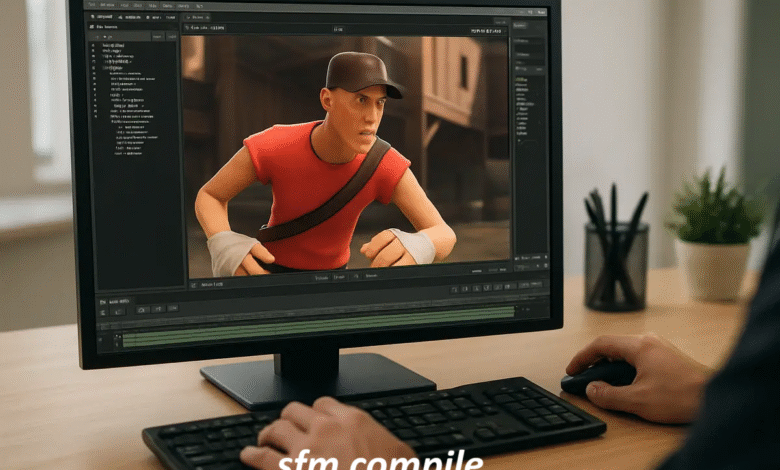
Compiling in Source Filmmaker (SFM Compile) can feel overwhelming when errors appear out of nowhere or renders take forever to finish. Whether you’re a beginner animator or a seasoned creator, understanding how SFM compile processes work is essential for producing smooth, professional-quality animations. This guide breaks everything down in simple terms so you can compile your projects without stress, glitches, or wasted time.
What Does SFM Compile Really Mean?
When people talk about “SFM compile,” they usually refer to the process of turning your animated project into a final video file. This includes rendering frames, processing lighting, assembling audio, and encoding the finished output. SFM doesn’t use “compile” in the same way game engines do—it focuses on rendering and exporting animation sequences. Still, many users call it compiling because the process pulls together all elements into one final product.
Why Efficient SFM Compilation Matters
A smooth SFM compile ensures your animation looks clean, sharp, and accurate to your timeline. Poorly optimized projects can crash, render incorrectly, or produce low-quality results. Efficient compilation also saves you hours of waiting time, especially for larger scenes with heavy lighting or complex models. When you streamline the process, you get faster results and avoid the frustration of repeating long renders.
Preparing Your Project for a Clean SFM Compile
Good preparation is the secret to error-free rendering in SFM. Start by organizing your models, lights, and animation sequences before hitting the compile button. Avoid using unnecessary assets in your scene, as too many props can drastically slow down your system. Make sure textures are properly assigned and materials aren’t missing. A quick project cleanup before compiling often prevents 80% of common problems.
Optimizing Your SFM Settings for Best Performance

SFM’s default settings don’t always SFM Compile deliver the best performance, especially on older or mid-range hardware. Adjusting render settings, disabling unnecessary motion blur, or reducing ambient occlusion can dramatically speed up compile times. For high-quality output, you can increase resolution and sampling, but balance it with your system’s capabilities. Smart configuration ensures your SFM compile runs smoothly without unexpected crashes.
Common SFM Compile Errors and How to Fix Them
Many animators struggle with errors during compiling, such as black frames, missing models, or render freezing. These issues usually come from file path problems, corrupted assets, or GPU overload. Checking your materials folder, verifying model integrity, and updating your graphics drivers often fix most errors. Learning how to quickly diagnose issues can save you hours of troubleshooting during your SFM compile.
Reducing Compile Time Without Losing Quality
One of the hardest balancing acts in SFM is maintaining good visual quality without suffering long compile times. To reduce rendering duration, simplify lighting rigs, minimize volumetric lights, and avoid ultra-high sampling unless necessary. You can also render in segments or use image sequences to keep the compile efficient. With the right adjustments, you get crisp visual quality while cutting your overall compile time significantly.
Using Image Sequences for More Flexible Compiles
Exporting your animation as an image sequence is one of the best ways to ensure reliability during your SFM compile. If your system crashes mid-render, you don’t lose everything—you simply continue from the last frame. Image sequences also offer more flexibility in post-production, making it easier to correct color, brightness, or effects without re-rendering the entire project. Many professionals rely on this approach for consistently smooth compilation.
How Hardware Affects Your SFM Compile
Source Filmmaker is heavily dependent on your CPU, GPU, and RAM. A stronger graphics card speeds up real-time previews, while a powerful CPU improves final compile performance. Adequate RAM ensures your scene loads and renders correctly without memory errors. Keeping your hardware optimized—such as cleaning up storage and closing background apps—helps SFM focus all resources on your compile process.
Advanced Tips for Professional-Quality SFM Compiles
For creators aiming for maximum polish, advanced compile techniques can elevate your final render. Smooth camera motion, subtle depth-of-field, and refined lighting setups all contribute to a cinematic result. Use console commands to fine-tune render quality and reduce noise in your frames. Taking time to adjust shadows, bloom, and ambient effects can dramatically improve the visual appeal of your SFM compile.
Final Thoughts: Master Your SFM Compile Process
Mastering the SFM compile process gives you full control over the quality and reliability of your animations. By preparing your project correctly, using smart optimization techniques, and understanding how to troubleshoot common problems, you can produce exceptional videos with confidence. Whether you’re compiling a short clip or a full cinematic project, this guide helps you achieve smooth, error-free results every time.
You may also read
xxxxxxxxxxxxxxxxxxxxxxxxxxxxxx vv colony अदम्बक्कम चेन्नई तमिल नाडु
Luxury Villas Greece Le Collectionist
UK Braced for Significant Snowstorm Bringing Potential White Christmas