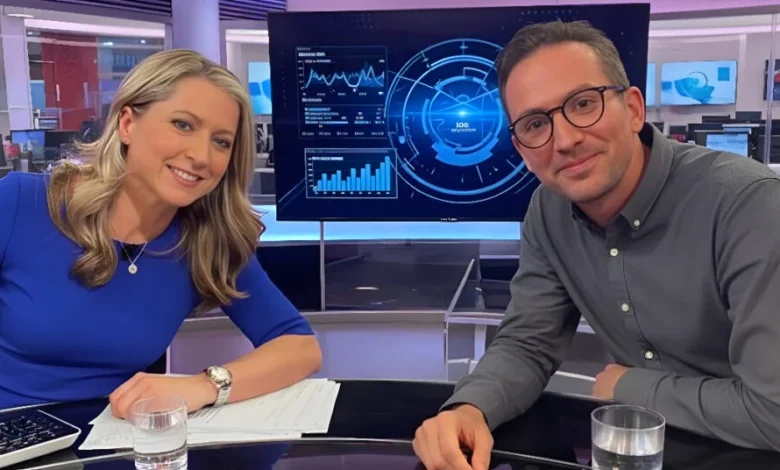
Hugo Bachega accent often catches the attention of viewers who watch international news. When people hear him speak, they immediately notice that his pronunciation sounds different from many other reporters. Because he reports on global events, his voice mixes several language influences. As a result, many viewers become curious about where his accent comes from and why it sounds the way it does.
Moreover, accents tell stories about where a person grew up, studied, and worked. In the case of Hugo Bachega, his voice reflects an international life and career. Therefore, understanding his accent is not just about language; it also helps us understand his background and professional journey.
In addition, accents are not mistakes or flaws. Instead, they show cultural diversity and experience. So, this article explains the Hugo Bachega accent in a very simple way. You will learn what shapes it, why it sounds unique, and why audiences recognize it so quickly.
Hugo Bachega Accent and His Early Life
First of all, the Hugo Bachega accent begins with his roots. He was born in Brazil, where Portuguese is spoken. Because Portuguese has very different sounds from English, many Brazilian speakers carry certain pronunciation patterns when speaking English. For example, vowel sounds are often softer, and syllables may be pronounced more clearly.
Furthermore, learning English as a second language influences how a person speaks forever. Even after years of practice, small sound patterns remain. Therefore, the Hugo Bachega accent includes subtle Portuguese rhythm and tone. This influence gives his speech a smooth and calm flow.
Finally, childhood environment shapes how the mouth forms sounds. Since he grew up hearing Brazilian Portuguese daily, those sound habits stayed with him. As a result, when he speaks English today, listeners hear a natural blend of Brazilian pronunciation and international broadcasting style.
Hugo Bachega Accent and Education Influence
Education also plays a strong role in shaping speech. When journalists study and work internationally, they often adjust their pronunciation for clarity. In Hugo’s case, exposure to global media helped refine his English pronunciation over time. Because of this, his accent sounds clear even while it remains distinctive.
Moreover, professional training in journalism encourages neutral pronunciation. News organizations prefer voices that are easy for global audiences to understand. Therefore, the Hugo Bachega accent became more balanced, mixing Brazilian roots with standard broadcast English.
In addition, constant practice on television improves speech rhythm. Reporters speak slowly, clearly, and confidently. As a result, his accent today sounds polished and professional, which helps viewers follow complex international stories without confusion.
Hugo Bachega Accent in Global Reporting
Working in international journalism further shaped his voice. As a correspondent for BBC, he reports for audiences from many countries. Because of this, his speech must be understandable to millions of viewers. Therefore, he uses a neutral tone and steady pace when speaking.
Furthermore, reporters who travel often interact with people from different cultures. Over time, they naturally pick up speech patterns from colleagues and interviewees. Consequently, the Hugo Bachega accent includes slight influences from global English usage.
Finally, professional communication focuses on clarity instead of perfection. News reporters are trained to deliver information, not to hide their identity. So, his accent remains authentic while still sounding international. This balance makes his voice both trustworthy and relatable.
Why the Hugo Bachega Accent Sounds Different on TV
One important reason his accent stands out is television audio quality. Microphones capture every detail of speech, including tone and breath. Therefore, small pronunciation features become more noticeable on TV than in everyday conversation.
Additionally, viewers compare him to native English reporters. Because those reporters often speak with British or American accents, his Brazilian-influenced speech feels unique. However, this difference actually helps audiences recognize his voice instantly.
Moreover, international news values diversity. When viewers hear reporters with different accents, they feel the newsroom reflects the world. As a result, the Hugo Bachega accent contributes to global representation in media, which strengthens trust among international audiences.
How Language Mixing Shapes the Hugo Bachega Accent
Language mixing, also called linguistic influence, happens when someone speaks multiple languages daily. Since Hugo uses both Portuguese and English professionally, his speech reflects both systems. For example, Portuguese intonation often rises at the end of sentences, which can make English speech sound melodic.
Furthermore, bilingual speakers switch between languages mentally. Because of this, pronunciation habits overlap naturally. This overlap creates the distinctive tone that listeners associate with the Hugo Bachega accent.
In addition, language mixing can improve communication skills. People who speak more than one language often explain ideas more clearly. Therefore, his accent does not reduce understanding; instead, it often makes his speech more expressive and engaging.
Public Reactions to the Hugo Bachega Accent
Many viewers actually appreciate his accent. They feel it sounds calm, professional, and trustworthy. Because he speaks clearly, audiences focus on the news instead of struggling to understand him.
At the same time, some people ask questions about where he is from. This curiosity is natural, since accents reveal cultural background. However, these questions usually come from interest rather than criticism.
Overall, the Hugo Bachega accent is seen positively. It shows international experience and reminds viewers that journalism is a global profession. Therefore, his voice adds personality to news coverage while maintaining credibility.
What the Hugo Bachega Accent Teaches About Global Media
hugo bachega accent Today’s media world is international. Journalists report across borders, languages, and cultures. Because of this, accents like his are becoming more common on television.
Moreover, audiences are learning to value clarity over accent type. If information is easy to understand, viewers rarely care where the voice comes from. Therefore, the Hugo Bachega accent proves that communication matters more than sounding native.
Finally, global journalism benefits from diverse voices. Different accents bring different perspectives and experiences. As a result, reporters like Hugo help audiences see the world through a broader lens.
Conclusion
In summary, the Hugo Bachega accent comes from a mix of Brazilian roots, international education, and global journalism experience. Because he grew up speaking Portuguese and later worked in English-speaking media, his voice reflects both worlds. Therefore, his pronunciation sounds unique yet clear.
Moreover, his accent demonstrates how language connects cultures. Instead of hiding his background, his speech shows it proudly. As a result, viewers hear not only the news but also the story of a journalist shaped by global experience.
Ultimately, accents make communication human. They show where we come from and how we grow. So, the Hugo Bachega accent is not just a sound — it is a reflection of international life, professional dedication, and the power of global storytelling.