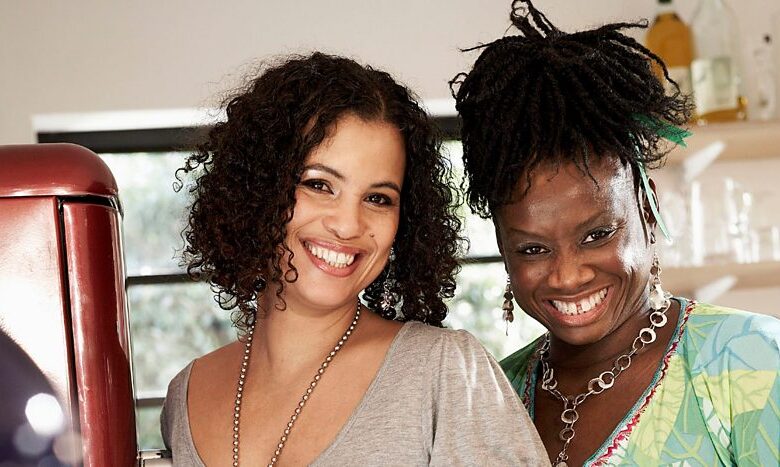
Introduction to andi oliver
Andi Oliver is far more than a television chef or a familiar face on British screens. She represents a unique blend of culinary expertise, cultural storytelling, activism, and unapologetic authenticity. Over the years, she has carved out a space that goes beyond recipes and restaurants, using food as a language to talk about heritage, race, identity, and community. Her journey is layered, deeply personal, and incredibly influential in shaping how modern Britain understands Caribbean cuisine and Black British culture.
This article explores Andi Oliver’s life, career, and cultural impact in depth. From her early roots to her rise as a respected chef, broadcaster, and advocate, we’ll take a detailed look at why Andi Oliver matters — not just in food, but in society at large.
Early Life and Cultural Roots
Andi Oliver was born in London in 1965, at a time when Britain was undergoing significant social and cultural change. Raised in a Caribbean household, her upbringing was infused with the sounds, flavors, and traditions of Antigua, her family’s homeland. Food played a central role in her early life, not merely as nourishment, but as a way to preserve memory, identity, and belonging in a country that often marginalized immigrant communities.
Growing up, Oliver was surrounded by strong women who cooked instinctively and with emotion rather than strict recipes. Meals were built around storytelling, shared labor, and communal joy. These early experiences shaped her belief that food is inseparable from culture and history. Cooking, for her, was never just about technique; it was about connection.
Her childhood also exposed her to the complexities of race and class in Britain. As a Black woman navigating a society still grappling with diversity, Oliver learned early on how to assert her voice and presence. These formative years laid the foundation for her later work, where she would openly challenge stereotypes and call out systemic inequalities, often through the lens of food.
From Music and Media to Food
Interestingly, Andi Oliver’s professional journey did not begin in the kitchen. Before becoming known for her culinary work, she was involved in the music industry during the vibrant post-punk era of the 1980s. She was a member of the band Rip Rig + Panic, alongside future music icon Neneh Cherry. This period immersed her in creative expression, rebellion, and cultural experimentation.
Her time in music helped shape her confidence and public persona. Performing, collaborating, and existing in artistic spaces taught Oliver how to communicate ideas boldly and authentically. These skills later translated seamlessly into broadcasting and television, where her presence feels natural, grounded, and unfiltered.
Eventually, Oliver transitioned into food professionally, bringing with her a deep sense of creativity and narrative. Rather than following a conventional culinary path, she entered the food world through supper clubs, pop-ups, and community-based projects. This unconventional route allowed her to develop a style rooted in personal experience rather than rigid culinary traditions.
Culinary Philosophy and Caribbean Influence
At the heart of Andi Oliver’s cooking is Caribbean cuisine, particularly the food of Antigua and the wider West Indies. Her approach celebrates bold flavors, slow cooking, and ingredients that reflect history and migration. Dishes are often rich, layered, and unapologetically comforting, reflecting the resilience and warmth of Caribbean culture.
Oliver is vocal about the historical context behind Caribbean food. She frequently discusses how dishes evolved from colonialism, slavery, and survival, turning limited resources into deeply flavorful meals. For her, acknowledging this history is essential, as it honors the creativity and endurance of previous generations.
She also resists the sanitization of Caribbean food for mainstream audiences. Rather than toning down spices or simplifying techniques, Oliver encourages people to experience the cuisine in its full, authentic form. This commitment has helped elevate Caribbean food within Britain’s culinary landscape, moving it from the margins to a place of respect and recognition.
Rise to Television and Broadcasting Fame
Andi Oliver became widely known to the public through her work in television, particularly as a judge on Great British Menu. Her arrival on the show marked a significant shift in tone and representation. She brought warmth, honesty, and cultural insight that resonated with viewers and chefs alike.
Unlike traditional food critics, Oliver judges food with empathy and context. She pays attention to storytelling, emotional resonance, and cultural significance, not just technical perfection. This approach has been widely praised for making the competition more inclusive and reflective of real-world dining experiences.
Beyond Great British Menu, Oliver has appeared in numerous food documentaries and programs that explore British cuisine, Caribbean heritage, and social issues. Her broadcasting style is conversational yet authoritative, striking a balance between expertise and accessibility. She has a rare ability to educate without alienating, making complex topics feel personal and relevant.
Advocacy, Identity, and Public Voice
One of the most defining aspects of Andi Oliver’s career is her willingness to speak openly about race, representation, and inequality. She has never shied away from difficult conversations, whether addressing the lack of diversity in the food industry or discussing her own experiences as a Black woman in Britain.
Oliver often highlights how Caribbean and African cuisines have been historically undervalued or appropriated without proper recognition. She calls for fair representation, credit, and opportunity for chefs from marginalized backgrounds. Her advocacy is rooted in lived experience, giving her words both credibility and urgency.
She also speaks candidly about mental health, body image, and self-worth, challenging the narrow standards often imposed by media industries. By showing up authentically on screen and in public spaces, Oliver offers representation to people who rarely see themselves reflected positively in mainstream media.
Relationship with Miquita Oliver
Andi Oliver’s relationship with her daughter, television presenter Miquita Oliver, has been a topic of public discussion and personal growth. Their journey has not always been smooth, and both have spoken openly about periods of estrangement and reconciliation.
Rather than presenting a polished or idealized version of motherhood, Andi Oliver has chosen honesty. She acknowledges mistakes, growth, and the complexities of navigating family relationships under public scrutiny. This openness has resonated with many, offering a refreshing alternative to sanitized celebrity narratives.
Their eventual reconnection and mutual respect highlight Oliver’s belief in accountability and healing. It also underscores her broader philosophy that growth is possible at any stage of life, both personally and professionally.
Impact on British Food Culture
Andi Oliver’s influence on British food culture extends far beyond television appearances. She has played a key role in reshaping how Caribbean cuisine is perceived, discussed, and celebrated in the UK. By bringing cultural context to the forefront, she has helped audiences understand food as a reflection of history, migration, and identity.
Her presence has also encouraged other chefs and broadcasters to be more open about their backgrounds and stories. In an industry that has traditionally favored Eurocentric narratives, Oliver’s success challenges long-standing norms and expands the definition of British cuisine.
Restaurants, pop-ups, and food festivals have increasingly embraced diverse culinary voices, in part due to trailblazers like Oliver. Her work demonstrates that authenticity and excellence are not mutually exclusive, but deeply interconnected.
Writing, Speaking, and Thought Leadership
In addition to cooking and broadcasting, Andi Oliver is a compelling writer and speaker. Her essays and interviews are thoughtful, articulate, and emotionally resonant. She often weaves personal anecdotes with broader social commentary, creating narratives that are both intimate and universal.
Oliver’s public speaking engagements frequently address themes of cultural ownership, resilience, and creativity. She challenges audiences to think critically about who gets to tell stories and whose voices are amplified. These conversations are particularly relevant in today’s cultural climate, where questions of representation and equity are increasingly prominent.
Her ability to articulate complex ideas with clarity and warmth has positioned her as a thought leader, not just in food, but in wider cultural discourse.
Personal Style and Public Presence
Andi Oliver’s personal style is as distinctive as her voice. She embraces bold fashion choices, natural hair, and expressive aesthetics that reflect confidence and individuality. Her appearance sends a powerful message about self-acceptance and rejecting conventional standards of beauty.
On screen, she is warm, expressive, and deeply human. She laughs easily, shows vulnerability, and connects genuinely with those around her. This authenticity has endeared her to audiences who value realness over performative polish.
Oliver’s public presence feels intentional and grounded. She does not seek approval through conformity but instead invites others to meet her on her own terms. This approach has become a defining element of her appeal and influence.
Legacy and Ongoing Influence
Andi Oliver’s legacy is still unfolding, but her impact is already undeniable. She has expanded the cultural conversation around food, challenged systemic inequalities, and created space for more inclusive storytelling. Her work has inspired a new generation of chefs, writers, and broadcasters to embrace their identities fully.
What sets Oliver apart is her refusal to separate food from life. For her, cooking is political, personal, and profoundly human. Every dish, conversation, and appearance carries intention and meaning.
As British culture continues to evolve, Andi Oliver remains a vital voice — reminding us that food is not just what we eat, but who we are, where we come from, and how we choose to show up in the world.
Final Thoughts
Andi Oliver stands as a powerful example of how authenticity, courage, and creativity can reshape industries and perceptions. Her journey from a culturally rich childhood to national prominence is a testament to the power of staying true to one’s roots while embracing growth and change.
In a world increasingly hungry for genuine voices, Andi Oliver offers nourishment on every level — intellectual, cultural, and emotional. Whether through a plate of food, a television appearance, or a spoken truth, her influence continues to resonate, making her one of the most important figures in contemporary British food and culture.