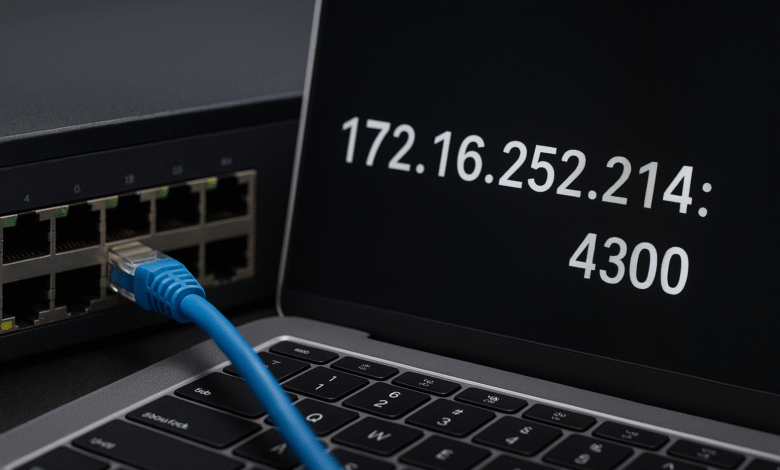
If you’ve stumbled across the address 172.16.252.214:4300 and wondered what it means or why it keeps appearing in your network settings, you’re not alone. This specific combination of numbers represents more than just random digits—it’s a doorway into understanding how local networks communicate and operate behind the scenes. Whether you’re troubleshooting a connection issue, setting up a home server, or simply curious about networking basics, understanding this IP address and port combination can demystify a lot about how 172.16.252.214:4300 devices talk to each other on private networks.
What Does 172.16.252.214:4300 Actually Mean?
The address 172.16.252.214:4300 consists of two distinct parts that work together to establish network communication. The first part, 172.16.252.214, is an IP address that identifies a specific device on a private network, while the second part, 4300, is a port number that directs traffic to a particular service or application running on that device. Think of it like a street address with an apartment number—the IP gets you to the right building, and the port gets you to the exact door you need to knock on.
This particular IP falls within the 172.16.0.0 to 172.16.252.214:4300 range, which is reserved exclusively for private networks according to Internet standards defined in RFC 1918. You’ll never see this address on the public internet because it’s designed specifically for internal use within organizations, homes, or businesses, making it invisible to the outside world but crucial for internal communication.
Understanding Private IP Addresses and the 172.16.x.x Range
Private IP addresses are non-routable addresses used within local area networks (LANs) that don’t directly connect to the internet. The Internet Assigned Numbers Authority (IANA) has reserved three specific ranges for private use: 10.0.0.0 to 10.255.255.255, 172.16.0.0 to 172.31.255.255, and 192.168.0.0 to 192.168.255.255. The 172.16.x.x range is particularly popular in medium to large organizations because it offers a sweet spot between the massive 10.x.x.x range and the smaller 192.168.x.x range commonly used in home networks.
What makes 172.16.252.214 interesting is that it sits fairly high within its subnet range, suggesting it might be manually assigned rather than automatically distributed by a DHCP server. Organizations often reserve higher-numbered addresses for servers, printers, network devices, or other equipment that needs a consistent, unchanging 172.16.252.214:4300 address to function properly over time.
How Port 4300 Fits Into the Picture
Port numbers range from 0 to 65535 and serve as virtual endpoints for network communication. Port 4300 falls into the category of registered ports (ranging from 1024 to 49151), which means it’s available for use by applications and services but isn’t reserved for any specific, universally recognized protocol. When you see 172.16.252.214:4300, you’re looking at traffic directed to whatever application has claimed port 4300 on that particular device.
Common uses for port 4300 include custom web applications, internal company software, development servers, database connections, or proprietary services that need a dedicated communication channel. Without specific documentation from the network administrator or application developer, it’s impossible to know exactly what 172.16.252.214:4300 service is running on this port, but its existence tells us that some application is actively listening for incoming connections.
Why People Search for 172.16.252.214:4300
Users typically search for specific IP and port combinations like 172.16.252.214:4300 for several practical reasons. The most common scenario is troubleshooting connectivity issues—when an application fails to connect or a network service becomes unreachable, people turn to search engines hoping to identify what service uses that address or find solutions to connection errors. IT professionals and network administrators might search to verify whether the address is properly configured or to check if it’s conflicting with another device on the network.
Another frequent reason involves security concerns or curiosity. If someone notices this address in their firewall logs, network monitoring tools, or application settings, they naturally want to understand what it represents and 172.16.252.214:4300 whether it poses any risk. Developers working on networked applications might also search for port-specific information to ensure they’re not accidentally conflicting with existing services or to understand best practices for port selection.
How Data Travels to 172.16.252.214:4300
When a device wants to communicate with 172.16.252.214:4300, it initiates a complex but lightning-fast process. First, the sending device packages its data into packets that include both the destination IP address and port number. The device’s network interface then checks whether the destination IP is on the same local network by comparing it against its subnet mask—if it is, the data can be sent directly.
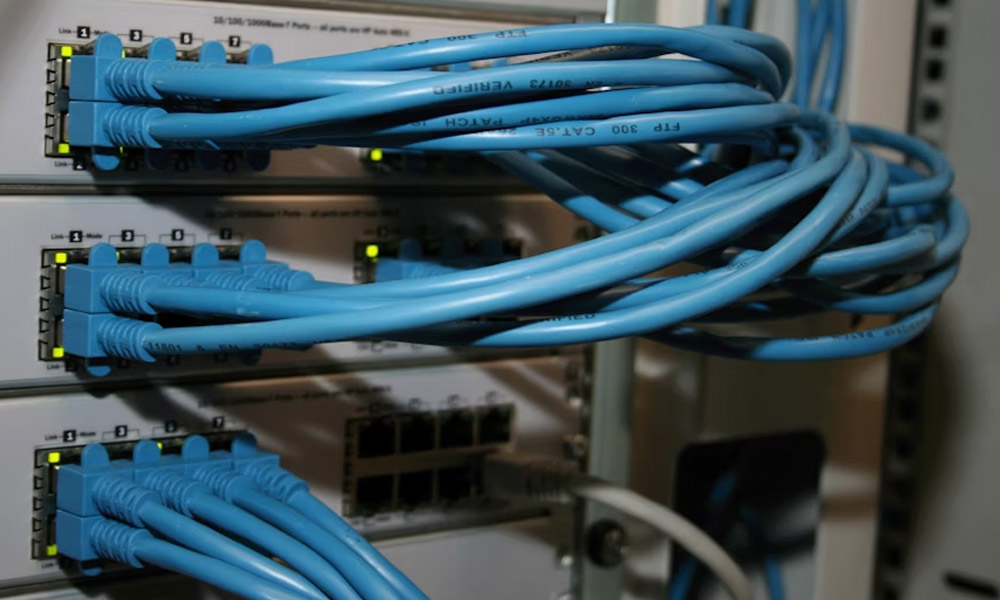
The packet travels through network switches and possibly routers within the local network until it reaches the device with IP address 172.16.252.214. Once it arrives, the device’s network stack examines the port number (4300) and routes the data to whichever application or service is listening on that specific port. The entire journey 172.16.252.214:4300 typically takes milliseconds, and the receiving application processes the request and sends back a response through the same channel, creating a two-way communication stream.
Common Applications and Services That Might Use Port 4300
While port 4300 isn’t officially assigned to any standard protocol, it’s commonly adopted by various applications for specific purposes. Custom web servers and development environments frequently use non-standard ports like 4300 to avoid conflicts with default services running on ports 80 or 443. Many companies deploy internal business applications, employee portals, or management interfaces on custom ports to segment traffic and add an extra layer of obscurity for security purposes.
Database connections, API endpoints, and microservices architectures also frequently employ ports in this range. Modern software development practices often involve running multiple services on a single machine, each claiming its own unique port to prevent interference. Port 4300 might host anything from a REST API serving internal data to a WebSocket server handling real-time communications for a proprietary application.
Security Considerations for Internal IP Addresses and Ports
Even though 172.16.252.214 exists only on a private network and isn’t directly accessible from the internet, security remains crucial. Any device on the same local network can potentially access services running on this IP and port combination, which means proper authentication and authorization mechanisms should always be in place. Weak passwords, default credentials, or unpatched software on services listening on port 4300 could provide entry points for malicious actors who have already breached the network perimeter.
Network segmentation and firewall rules become especially important in larger organizations where not every internal user should have access to every internal service. Administrators should regularly audit which services are running, ensure unnecessary ports are closed, and implement monitoring to detect unusual access patterns. Just because an IP is private doesn’t mean it’s automatically secure—internal threats and lateral movement after initial compromise are real concerns that proper security practices help mitigate.
Troubleshooting Connection Issues to 172.16.252.214:4300
When you can’t connect to 172.16.252.214:4300, systematic troubleshooting helps identify the problem quickly. Start by verifying network connectivity with a simple ping command to 172.16.252.214—if the device doesn’t respond, the issue might be network-related rather than application-specific. Check that your device is on the same subnet and that no physical network issues exist, such as disconnected cables or misconfigured network settings.
If the ping succeeds but you still can’t connect to port 4300, the application itself might be down, misconfigured, or blocked by a firewall. Use network diagnostic tools to verify whether port 4300 is actually open and listening—many operating systems include utilities that can scan for open ports or attempt test connections. Firewall rules on either the client or server side might be blocking the specific port, so reviewing security software settings becomes the next logical step in the troubleshooting process.
Setting Up Services on Private IPs Like 172.16.252.214
Configuring a service to run on 172.16.252.214:4300 requires both assigning the correct IP address to your device and configuring your application to listen on port 4300. Most network administrators prefer static IP assignment for servers and services to ensure consistency—using DHCP for server addresses can lead to IP changes that break configured connections and cause unnecessary downtime.
Once the IP is properly assigned, your application needs explicit configuration to bind to port 4300. This process varies by software but generally involves editing configuration files or setting command-line parameters that specify the listening port. After configuration, always test connectivity from another device on the network to verify everything works correctly, and document the setup thoroughly so future administrators understand what’s running where and why.
The Role of Network Address Translation (NAT)
Understanding NAT helps explain why 172.16.252.214 can’t be reached from the internet directly. Network Address Translation is the technology that allows multiple devices on a private network to share a single public IP address when accessing the internet. When data from 172.16.252.214 goes outbound to the internet, the router replaces the private source IP with its public IP address, keeping track of the translation so responses can be routed back correctly.
This one-way translation protects private networks by preventing unsolicited inbound connections—external devices on the internet have no way to initiate contact with 172.16.252.214 because the address simply doesn’t exist in the public routing tables. If remote access is needed, administrators must configure port forwarding or use VPN solutions to create secure tunnels that bypass NAT while maintaining security.
Why Port Numbers Matter in Network Communication
Port numbers create the essential multiplexing that allows a single IP address to host multiple services simultaneously. Without ports, a device could only run one network service at a time because there would be no way to distinguish between different types of incoming traffic. The combination of IP address and port number creates a unique socket that applications can claim exclusively for their communication needs.
Standard ports below 1024 are reserved for well-known services—port 80 for HTTP, port 443 for HTTPS, port 22 for SSH—but the vast range above 1024 gives developers and administrators tremendous flexibility. Choosing port 4300 for a custom application keeps it well separated from default services while remaining easy to remember and configure, striking a practical balance between standardization and customization.
Monitoring and Managing Network Traffic to Specific Ports
Network administrators use various tools to monitor traffic flowing to addresses like 172.16.252.214:4300. Protocol analyzers and packet capture tools provide deep visibility into exactly what data is being sent and received, which proves invaluable for troubleshooting performance issues or investigating security incidents. Network monitoring solutions can track connection counts, bandwidth usage, and error rates to identify problems before they impact users.
Logging at both the network and application levels creates an audit trail that helps with capacity planning, security analysis, and compliance requirements. Modern network management platforms can generate alerts when unusual patterns emerge—such as connection attempts from unexpected sources or sudden spikes in traffic—allowing administrators to respond proactively to potential issues before they escalate into major problems.
Conclusion: Understanding Your Network Environment
The address 172.16.252.214:4300 represents a small but important piece of network infrastructure that enables internal communication within private networks. Understanding what this notation means, how the components work together, and why such addresses are searched helps demystify networking fundamentals that affect everyone from casual users to IT professionals. Whether you encountered this address in error messages, configuration files, or network logs, recognizing it as a private IP with a specific service port gives you the foundation to troubleshoot effectively or simply satisfy your curiosity about how modern networks operate behind the scenes.
You may also read